
Mission-critical tubing, fittings, and valve assemblies engineered for liquid-cooled AI training clusters, HPC platforms, and hyperscale facilities — built for zero-leak reliability when downtime is not an option.
The three pillars of every liquid cooling loop — sourced from one supplier, built to one specification standard, backed by one accountable point of contact.
Polished 304 and 316L tube built to handle thermal cycling and sustained high-flow conditions in chilled water, propylene glycol, and dielectric coolant loops. 3-A certified, with a 32Ra interior finish that resists biofilm and scale.
Shop Tube →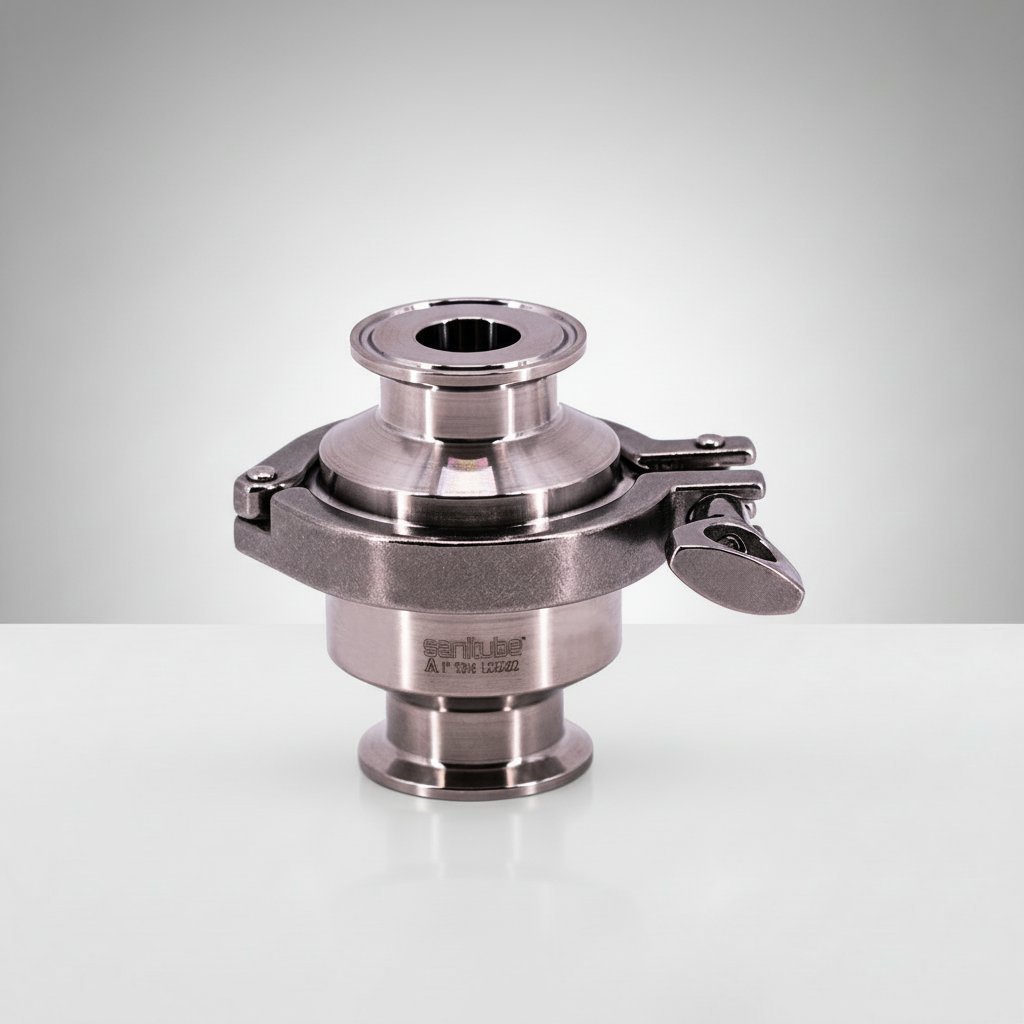
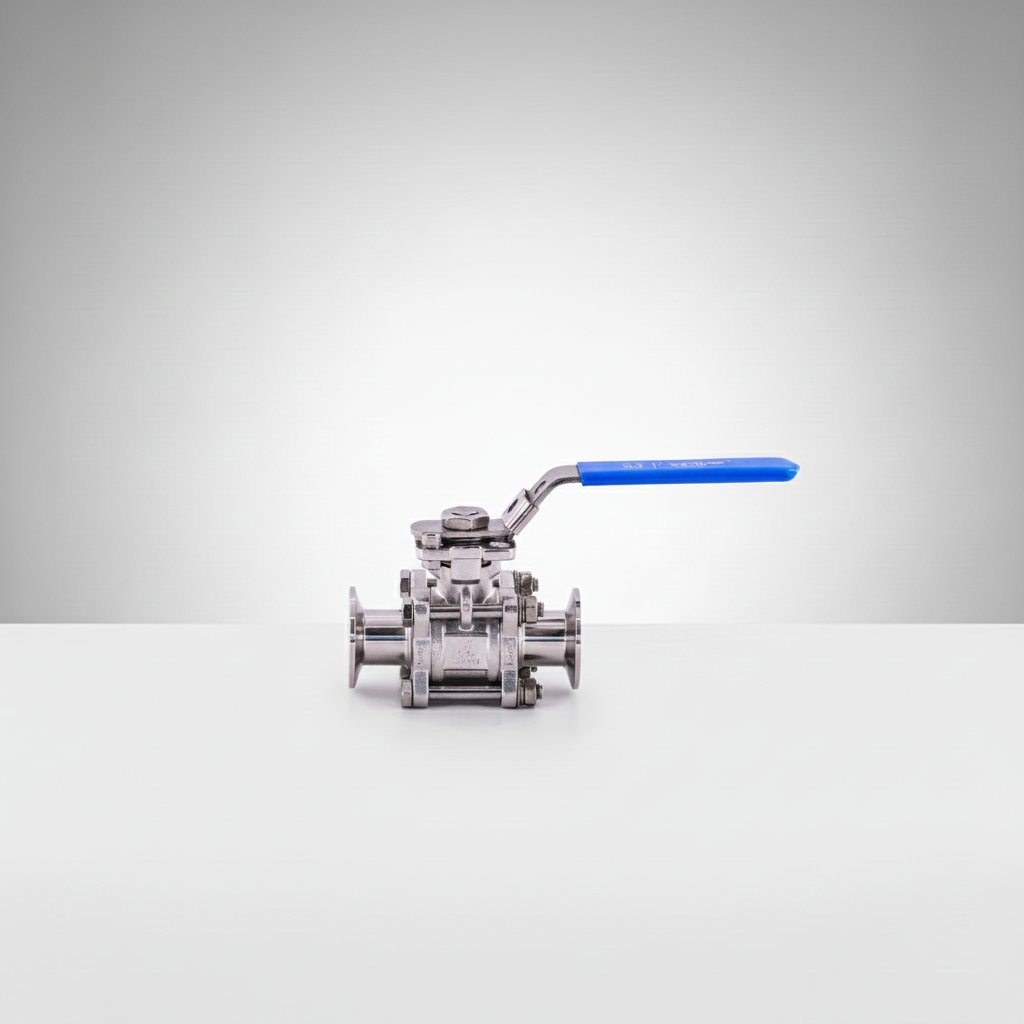
Precision flow-control valves rated for the dynamic load swings of GPU and CPU cooling circuits. Available in tri-clamp, butt-weld, and threaded configurations to tie into whatever loop architecture is already in place.
Shop Valves →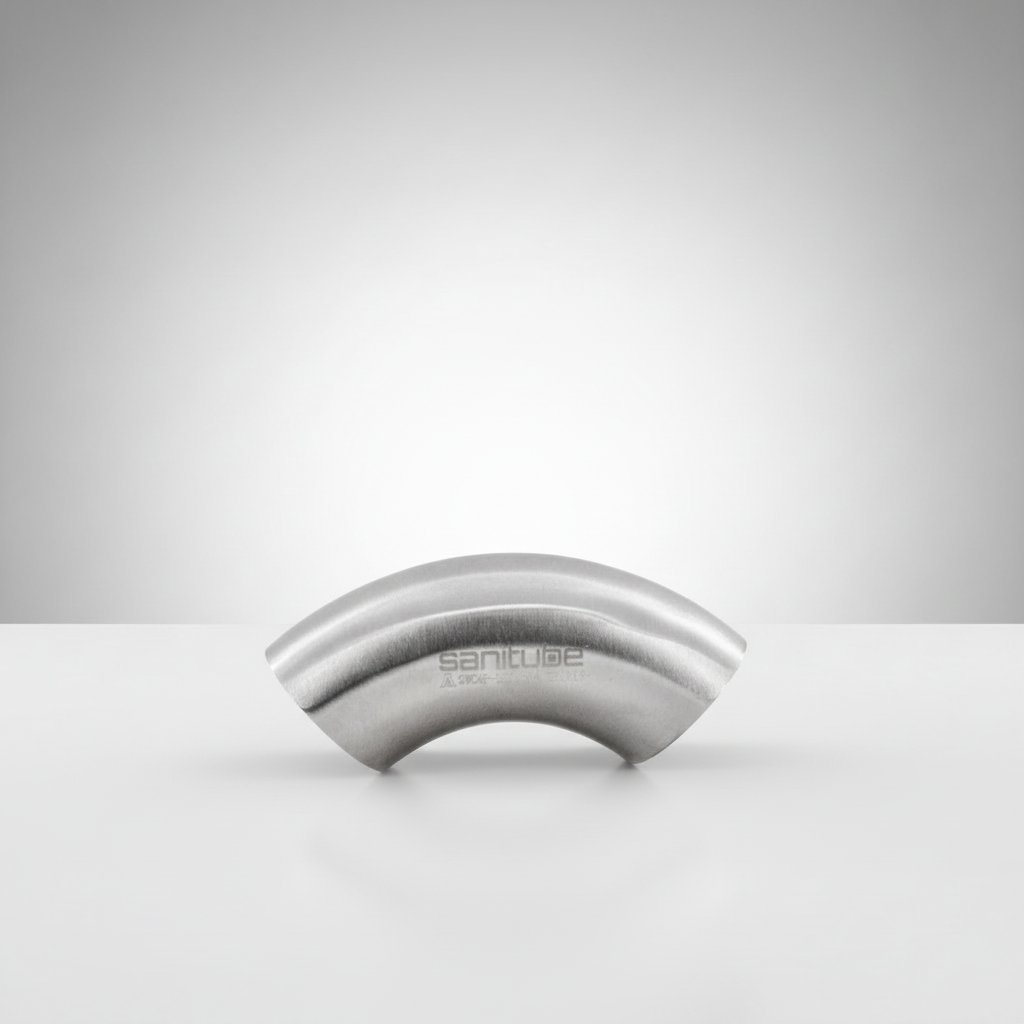
Tri-clamp, butt-weld, and bevel seat fittings that deliver leak-tight performance at every junction in your loop. Start with the 90° elbow — the workhorse of any cooling manifold — or browse the full fittings catalog.
Shop 90° Elbow →Rack densities are pushing past 100 kW. Coolants are no longer just water — they’re glycol blends, dielectrics, and proprietary fluids. At those conditions, the piping material isn’t a commodity decision. It’s an engineering one.
Unaffected by glycol breakdown products, dielectric coolants, or aggressive flush chemistries that pit copper and rust through carbon steel.
Holds its dimensional tolerance and flow geometry through endless idle-to-peak temperature swings — no creep, no joint walk.
Orbital-weld-ready ferrules and precision-machined clamp faces eliminate the joint failures that turn a small drip into a catastrophic outage.
Built to absorb the continuous mechanical load of pumped loops and the transient surges that come with every valve cycle at scale.
Outlasts plastic and mixed-metal systems by 20+ years, eliminating the rip-and-replace cycles that disrupt revenue-generating racks.
The 32Ra polished interior wall resists biofilm, scale, and particulate — the silent culprits behind cold plate fouling and degraded heat transfer.
Direct-liquid-cooled deployments running Nvidia DGX, AMD MI300, and custom training silicon — the racks generating 100+ kW of waste heat that air will never move fast enough to handle.
Regulated environments where one drop of coolant on the wrong board triggers a mandatory shutdown, a compliance review, and a multi-million-dollar transaction freeze. We spec for the worst day, not the average one.
Modular manifold and fluid-network architecture that grows row by row, megawatt by megawatt — without re-engineering the loop every time the load forecast changes.
Yes — and increasingly, they’re the preferred choice. The same leak-resistant seals, corrosion immunity, and tight fabrication tolerances that protect a pharmaceutical batch are exactly what a CDU secondary loop needs. Several hyperscale operators now specify 316L sanitary tri-clamp components for new liquid-cooled deployments. The food-grade pedigree turns out to be the perfect fit for mission-critical fluid handling.
For most pure-water and glycol-blend loops, 304 is more than enough and saves cost. Choose 316L when you’re running dielectric coolants, brackish makeup water, chloride-bearing fluids, or when the facility sits in a coastal or industrial-corrosive environment. When in doubt — or when downtime cost is in the six-figures-per-hour range — default to 316L for the loop and 304 for ancillary supports.
Yes. We cut, polish, and ferrule-attach to customer-specified lengths and tolerances. Send drawings, a BOM, or even a marked-up isometric — our team will quote it. For large projects we can also pre-kit by row or rack to speed field assembly.
Small in-stock orders ship within 1–2 business days. Larger orders — bulk volumes, custom fabrication, special polishing, or non-standard alloys — typically arrive in 5–9 weeks depending on scope. For multi-megawatt build-outs, we coordinate phased delivery so material lands when the trades are ready, not weeks early on the loading dock.